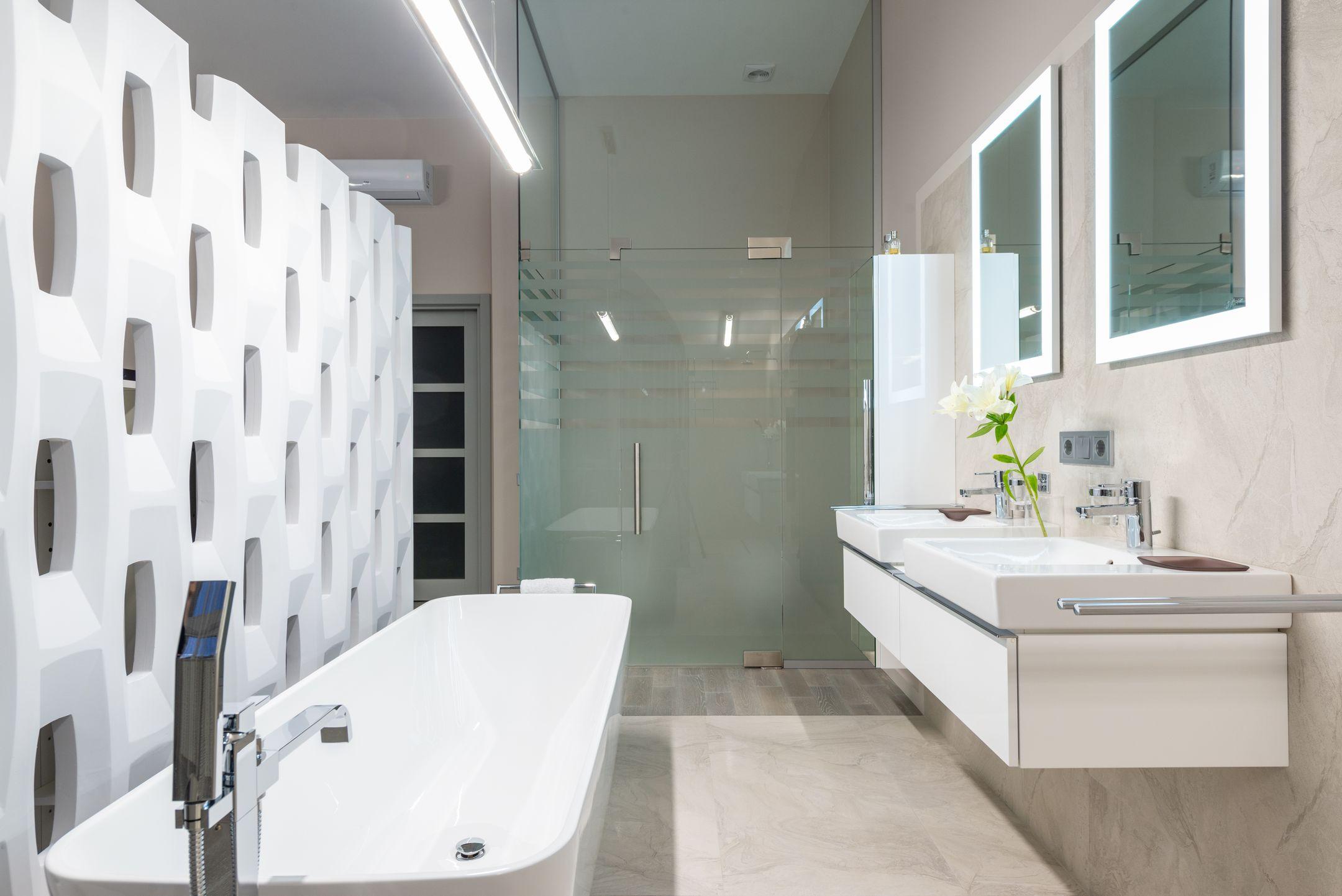
Planning a bathroom remodel often involves deciding where to direct the largest portion of the project investment. Homeowners may want a more functional layout, better storage, updated finishes, and a more comfortable shower, but not every feature needs to receive the same level of spending.
The most successful bathroom remodels on a budget are not created by choosing the least expensive option in every category. They come from protecting the parts of the room that affect safety, durability, and daily function while making thoughtful, restrained choices elsewhere.
At Advanced Construction and Design, we help homeowners throughout Lancaster, Palmdale, and the Antelope Valley determine which improvements will have the greatest impact. Our team looks at the full room—including plumbing, waterproofing, lighting, ventilation, storage, and circulation—so the finished bathroom is not only beautiful but built to perform.
Before comparing tile or fixture prices, we identify what is not working in the current bathroom.
The room may have an awkward layout, an undersized shower, poor lighting, inadequate storage, or finishes that are difficult to maintain. In some tract homes, the bathroom may still reflect the builder’s original plan or changes selected by a previous owner.
Understanding the primary problems helps us establish priorities. A bathroom that functions poorly may require more than surface-level updates. Replacing tile and fixtures without correcting water damage, ventilation problems, or an inefficient layout can leave the homeowner with a prettier version of the same underlying issues.
Our designers evaluate the skeleton of the space, including:
From there, we can recommend where structural or functional improvements deserve attention and where simpler selections may still create a polished result.
Waterproofing is one of the least visible parts of a bathroom remodel, but it is also one of the most important.
Tile and grout are not the only materials protecting the walls and floor around a shower. A properly installed waterproofing system beneath the finished surfaces helps prevent moisture from reaching framing, drywall, and other vulnerable areas.
Improper waterproofing can eventually contribute to leaks, mold, damaged materials, and costly repairs. These problems may remain hidden until significant damage has already occurred.
For that reason, we do not recommend reducing costs by cutting corners behind the walls. Quality materials and experienced installation provide long-term protection that decorative upgrades cannot replace.
One of the most important lessons from our crew is simple: prioritize what you cannot easily see or replace later. Decorative items can be updated in the future, but correcting failed waterproofing often requires removing finished surfaces and rebuilding the shower.
Plumbing work is another area where quality and proper installation matter more than surface appearance.
If pipes are outdated, damaged, poorly positioned, or already causing problems, a remodel is often the most practical time to address them. Once the walls and floors are open, our team can evaluate accessible plumbing and determine whether repairs or updates are needed.
Relocating plumbing can increase the scope of a project, so we consider whether the change will create a meaningful functional benefit. Moving a shower drain, toilet, or vanity solely for appearance may not always be worthwhile. However, changing a fixture location may make sense when it improves clearance, creates a larger shower, or corrects an inefficient layout.
Homeowners should also avoid selecting plumbing fixtures based only on appearance. Faucets, valves, drains, and shower systems should come from dependable manufacturers with replacement parts that are reasonably available.
A stylish fixture is less valuable if it becomes difficult to repair after only a few years.
The quality of the installation often matters as much as the quality of the materials.
A premium tile can still look disappointing when the layout is uneven. A beautiful vanity can become frustrating if it is installed at the wrong height or interferes with a doorway. Shower doors, plumbing fixtures, lighting, and ventilation all need to be positioned and installed correctly.
At Advanced Construction and Design, our remodeling work is coordinated through an in-house team. This helps the designers, contractors, and skilled tradespeople work from the same plan rather than treating each part of the bathroom as a separate project.
For homeowners exploring bathroom remodels on a budget, this coordination is valuable because mistakes, delays, and last-minute corrections can consume resources that would have been better spent on the finished room.
Thoughtful planning before construction begins can help prevent conflicts between plumbing, electrical work, tile layouts, fixtures, and cabinetry.
A bathroom does not need to be large to work well, but it does need appropriate clearances and properly sized features.
An oversized vanity can make a walkway feel narrow. A swinging door may interfere with the toilet or storage. A bathtub may occupy much of the room even though no one in the household regularly uses it.
During the planning stage, we consider how the homeowners move through the bathroom and which features they use most. Depending on the space, improvements may include:
Changing the layout is not always necessary. Keeping major plumbing fixtures in place can help control the project scope when the existing arrangement already works.
The key is to avoid preserving a poor layout simply because it is familiar.
Bathrooms generate significant moisture, even in the dry climate of the Antelope Valley.
A properly sized and installed exhaust fan helps remove humidity, protect finishes, reduce lingering odors, and support a healthier indoor environment. Ventilation is particularly important in bathrooms without large operable windows.
We consider the size of the room, the location of the fan, and how the ducting will carry moist air outside. A fan that is too weak, poorly placed, or vented incorrectly may not provide the intended benefit.
Ventilation is rarely the most exciting part of the design, but it can help protect the remodeling investment and make the room more comfortable to use.
This is another area where performance should take priority over a decorative upgrade.
Lighting affects almost everything about the way a bathroom looks and functions.
One overhead fixture can create shadows around the face, making grooming tasks more difficult. It can also leave the shower or other areas of the room feeling dim.
A thoughtful lighting plan may combine:
Vanity lights should provide balanced illumination rather than shining only from directly above. The color temperature of the bulbs also affects how skin tones, tile, paint, and countertop materials appear.
Lighting does not always require the most expensive fixtures. Placement and planning are often more important than price.
Moving plumbing can be worthwhile when it solves a significant layout problem, but it should not be done without a clear reason.
If the toilet, shower, and vanity are already positioned effectively, keeping them in place may allow more of the remodeling investment to go toward better waterproofing, fixtures, storage, lighting, or finishes.
This does not mean the room has to keep the same appearance. A new vanity, shower configuration, tile design, lighting plan, and color palette can dramatically change the bathroom without relocating every connection.
Our team evaluates the cost and functional benefit of proposed layout changes. When a plumbing move will materially improve the room, we explain why. When it offers little practical value, we may recommend directing those resources elsewhere.
Tile is durable and well suited to wet areas, but it does not always need to cover every wall from floor to ceiling.
Homeowners can often create a high-end appearance by using tile where it provides the greatest functional and visual benefit. That may include the shower walls, bathroom floor, or a carefully selected feature area.
Painted drywall can be appropriate in dry sections of the room when the correct products and preparation methods are used. This can allow a statement tile to remain the focal point without overwhelming the space.
Other ways to use tile strategically include:
Our crew recommends finalizing the tile layout before installation begins. The location of niches, plumbing fixtures, corners, and transitions can affect how balanced the finished work appears.
Careful planning often makes a modestly priced tile look more refined than an expensive material installed without a clear layout.
Because custom bathroom cabinetry is not always the most cost-effective option for our clients, we often focus on selecting a well-made vanity that fits the room properly.
A quality prefabricated or semi-custom vanity can provide drawers, cabinet storage, and a polished appearance without requiring fully custom fabrication. The most important consideration is choosing the correct size and configuration.
We look at:
A vanity that is too deep can make a compact bathroom feel cramped. One that is too small may leave valuable storage and countertop space unused.
Selecting the right vanity is more important than automatically selecting the most expensive one.
Decorative details can make a bathroom feel personalized without becoming the largest part of the project.
Hardware, mirrors, paint, towel hooks, and light fixtures can add warmth and character. These items are also easier to update later than plumbing, tile, or waterproofing.
A restrained palette often produces a more refined result than filling the room with several competing features. For example, a simple tile may be elevated with a well-proportioned vanity, coordinated hardware, and thoughtfully placed lighting.
We encourage homeowners to choose one or two elements that will lead the design. The remaining selections can support those features rather than competing with them.
This approach creates a bathroom that feels cohesive and allows the project investment to remain focused on quality construction.
Trends can provide inspiration, but not every popular feature is appropriate for every home.
A freestanding tub, oversized shower system, floating vanity, or elaborate tile pattern may look appealing online but provide little practical value to a particular household. Some features also require structural, plumbing, or cleaning considerations that are easy to overlook.
We ask homeowners to consider how they expect to use each selection. Will it make daily routines easier? Does it fit the room comfortably? Will it be practical to maintain?
A bathroom should feel current and personal, but it should also suit the home and family for years.
Choosing lasting materials and well-proportioned features can be a better use of the remodeling investment than attempting to include every new design trend.
One of the most common remodeling risks is completing only the visible portions of the project while leaving questionable conditions behind them.
For example, installing new tile over an unsuitable substrate or replacing a shower fixture without addressing an existing leak may temporarily improve the appearance without resolving the actual problem.
Homeowners may also be tempted to divide a coordinated project among several unrelated providers. This can create uncertainty about who is responsible for measurements, waterproofing, plumbing, electrical work, tile preparation, and final installation.
Our in-house approach helps us evaluate the entire bathroom as one system. The designers and construction team can coordinate decisions before work begins and address issues discovered during demolition.
Saving should come from smart planning and appropriate material choices—not from reducing the quality of essential work.
After working on bathrooms in a wide range of homes, our team consistently returns to a few practical principles.
First, decide what must be corrected before deciding what should be decorated. Water damage, poor ventilation, unsafe electrical work, and failing plumbing take priority.
Second, select fixtures early. The dimensions and installation requirements of tubs, shower valves, vanities, faucets, lighting, and mirrors can affect the construction plan.
Third, do not overfill a compact bathroom. Right-sized features usually create a more comfortable and elevated result than forcing in every possible amenity.
Fourth, review materials together. Tile, countertops, vanity finishes, paint, fixtures, and lighting may appear different when placed side by side.
Finally, leave room for the unexpected. Remodels can reveal hidden conditions once walls or flooring are removed. A thoughtful plan should account for the possibility that concealed work may require attention.
The best bathroom remodels on a budget balance long-term performance with thoughtful design. They protect essential systems, improve the room’s function, and use decorative materials in places where they will have the strongest impact.
At Advanced Construction and Design, we help homeowners make those decisions with a coordinated team and a clear remodeling plan. We consider the walls, windows, plumbing, lighting, ventilation, fixtures, storage, and finishes so each part of the room supports the finished result.
Our Lancaster showroom is available by appointment for clients who want to review materials and selections with the designers. We also serve homeowners throughout Palmdale and the Antelope Valley who are ready to make their bathrooms more functional, efficient, and personal.
Schedule a consultation with Advanced Construction and Design to discuss your bathroom remodeling goals. We can help you identify where an added investment will protect the space, where simplified choices can provide excellent value, and how to create a finished bathroom that feels beautiful and built to last.
 Advanced Construction And Design